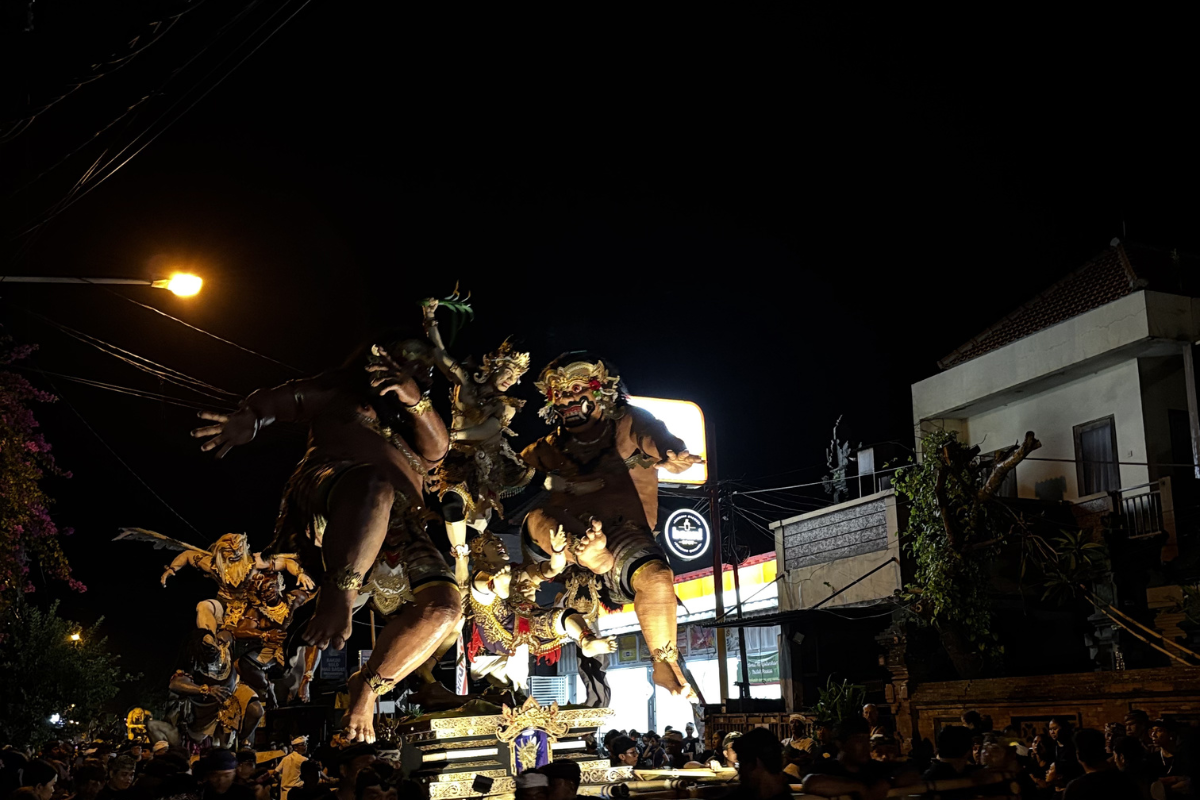
Nyepi Day 2026 falls on Thursday, March 19, marking the Saka New Year 1948. The day before, on March 18, the island comes alive with Tawur Kesanga, better known as the ogoh-ogoh festival, where massive, demonic statues are paraded through the streets in a dramatic prelude to the silence.
During Nyepi in Bali 2026, all roads, beaches, and sidewalks are completely closed to everyone including tourists for 24 hours starting March 19 at 5:59 AM. In this guide, we’ll walk you through everything you need to know about experiencing Nyepi in Bali.
About Nyepi in Bali
To really understand what Nyepi Day is in Bali, you have to go back more than two thousand years. Long before the island became a travel hotspot, there was a bitter conflict between tribes in India, the Saka, Pahiava, Yuetchi, Malava, and Kuraka, all fighting for power and land.
It was a violent, unstable time. Eventually, the Saka tribe emerged victorious under King Kaniska I of the Kushana Dynasty. But here’s the thing: King Kaniska knew that winning a war wasn’t enough. He wanted real, lasting peace.
So in 78 AD, instead of throwing a grand victory celebration, he did something unexpected. He created the Saka Year, not as a trophy, but as a symbol of unity, tolerance, and reconciliation. That moment marked the beginning of the calendar that shapes Nyepi in bali today.
Later, this Saka calendar made its way to Indonesia, carried by priests and scholars from India. One name you’ll often hear is Aji Saka, a figure deeply woven into Javanese and Balinese mythology.
When the tradition arrived in Bali, it didn’t stay exactly the same. The Balinese blended it with their own local wisdom, adding a powerful new layer: Penyepian, or complete silence.
So why silence? Philosophically, Nyepi Day in bali is a chance for humans to turn inward. After a year of noise, activity, and yes, the kind of chaos those ancient tribes experienced, we need one day to simply stop. To reflect. To reset.
It’s also a gift to the earth, a rare 24 hours with no pollution, no traffic, no distractions. And if you really want to experience this stillness in the most intimate way, imagine watching it unfold from the peaceful seclusion of a private villa in Bali, where the silence feels even deeper, and the reflection feels even more personal.
Prohibitions During Nyepi in Bali (Do’s and Don’ts for The First Visitor)
If you are wondering when is Nyepi Day in Bali 2026, it falls on March 19, which is a unique time to experience the island’s Day of Silence. It’s important to know that the island will pause completely for 24 hours. Nyepi, often called the Day of Silence, marks the Balinese Hindu New Year and is observed only in Bali, making it a truly unique cultural experience.
During Nyepi Day in Bali 2026, locals observe Catur Brata Penyepian, four sacred rules that guide the day. Here’s what they mean in practice:
- Amati Geni (No Fire or Light)
On a spiritual level, this is about cooling the flames of desire within. But practically speaking, it means no lights after dark. The entire island goes dark, homes, streets, everything. No one lights stoves or fires either.
For travelers staying in luxury hotels, you’ll usually still have lights inside your room, but curtains must be drawn tight so not a single ray escapes. Public areas use only the dimmest lighting, if any at all.
- Amati Karya (No Work)
This day is made for stillness and reflection, not productivity. Every shop, restaurant, market, and ATM is closed. Even Wi-Fi and mobile data often go quiet.
Emergency services like hospitals and police stay operational, and hotel staff remain on duty to care for guests, but everything happens in near silence, with activities kept to an absolute minimum.
- Amati Lelungan (No Travel)
This is the rule you’ll see with your own eyes. The streets are completely empty. No cars, no scooters, no bicycles.
You cannot walk on roads, sidewalks, or even the beach. Bali’s international airport shuts down entirely, no flights in or out. Traditional security, known as Pecalang patrol every corner, gently ensuring no one wanders where they shouldn’t.
- Amati Lelanguan (No Fun)
Nyepi is a day for quiet introspection, not entertainment. Loud music, shouting, or any unnecessary noise is forbidden.
Most Balinese don’t watch TV or listen to the radio, and the government often turns off mobile data and broadcast signals across the island to preserve the peace. It’s a full pause, for people, for technology, for the island itself.
The Consequence of Breaking the Rules
Violating the rules during Nyepi can lead to several consequences, both socially and legally, because the day is considered sacred in Bali. The island works together to maintain peace and silence throughout the day.
1. Customary Sanctions
The most immediate consequences usually come from traditional authorities. During Nyepi, Pecalang (traditional security officers) patrol villages to ensure everyone respects the rules. If someone is seen walking outside or using bright lights, the Pecalang will ask them to return to their home or hotel.
In some cases, violators may also receive traditional penalties, such as paying a fine or participating in community service, like helping clean temples or village areas after Nyepi.
2. Administrative and Legal Sanctions
In recent years, enforcement has become stricter through coordination between traditional authorities and the police. People who ignore the rules or disturb public order may be taken to a local guard post or police station until Nyepi ends.
For foreign visitors who commit serious violations such as causing disturbances or refusing instructions from officers, immigration authorities may impose additional sanctions, including possible deportation for disrespecting local regulations.
3. Social Consequences
Balinese communities strongly value collective respect for Nyepi. When someone breaks the rules, the incident can quickly spread on social media, which often leads to public criticism and social pressure for the person involved.
4. Spiritual Impact (for Hindus)
For Balinese Hindus, Nyepi is a sacred time for Mulat Sarira, or self-reflection. Breaking the rules is believed to disrupt personal spiritual balance and interfere with the ritual purification of both the human world (Bhuana Alit) and the universe (Bhuana Agung).
Before Nyepi For Balinese Hindus
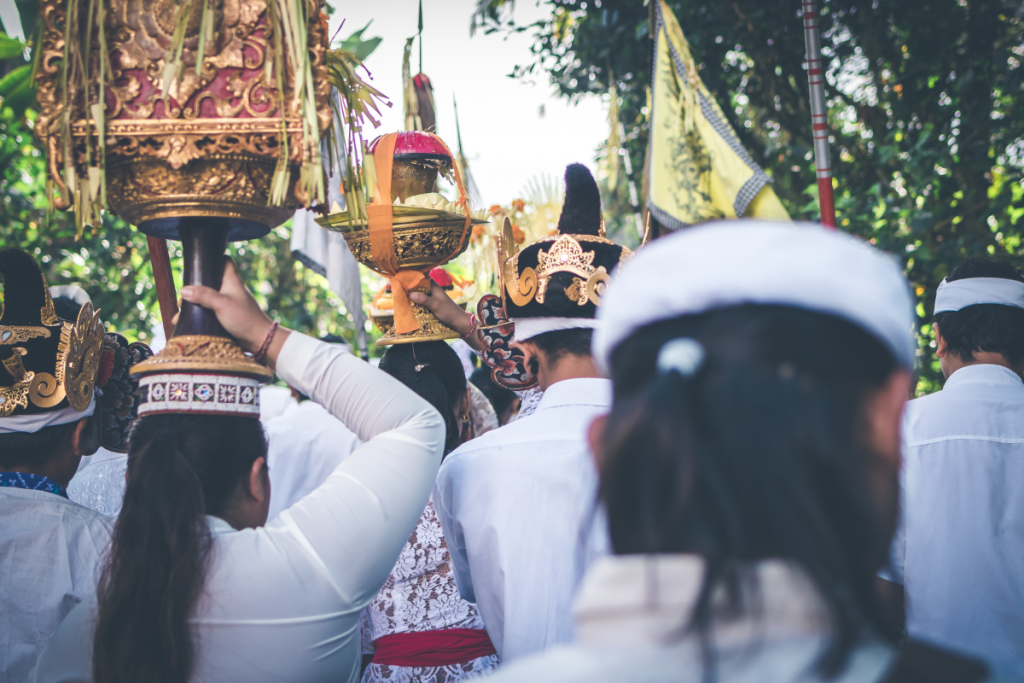
As Nyepi Day of the Saka Year 1948 approaches, which falls on March 19, 2026, the Island of the Gods will be bustling with various magnificent and meaningful purification rituals. Here are the important steps taken before the total silence begins:
1. Melasti (Around March 16–17, 2026)
A few days before Nyepi, you’ll witness something magical. Thousands of Balinese Hindus, dressed in pure white traditional clothing, make their way to the sea or to sacred lakes.
They carry Pratima, sacred objects symbolizing divine presence, from village temples. The procession moves slowly, accompanied by soft gamelan music, as locals walk toward the water’s edge.
This ritual is called Melasti, and its purpose is beautifully simple: to wash away all impurities, both within the self and the universe, into the vast ocean. It’s a cleansing of the soul, a reset before the new year begins. Watching devotees in white against the backdrop of Bali’s coastline is a deeply moving sight.
2. Pengrupukan and Ogoh-ogoh Parade (March 18, 2026)
The day before Nyepi, the mood shifts dramatically. Pengrupukan is all about chasing away negative spirits, Bhuta Kala, so they don’t disturb the sacred silence to come. And the way they do it is spectacular.
Enter the Ogoh-ogoh: towering, terrifying statues crafted by village youth to represent evil forces and human flaws. As dusk falls, these giants are paraded through the streets with torches, chanting, and thunderous noise.
It’s loud, chaotic, and absolutely unforgettable. Finally, the Ogoh-ogoh are burned to ashes, symbolically destroying negativity before the new dawn.
Where to experience the Ogoh-ogoh Parade in 2026:
- Denpasar (Catur Muka Intersection):
The heart of the action. The best Ogoh-ogoh from across the city gather at this iconic zero-kilometer point for a massive, competitive showcase.
- Kuta & Seminyak:
Along Jalan Raya Kuta and toward the beach, the atmosphere is lively and welcoming, with crowds of travelers mixing with locals for a more spontaneous celebration.
- GWK Cultural Park:
If you prefer something more organized, GWK often hosts large-scale Ogoh-ogoh festivals and competitions in a stunning cultural setting.
- Local Banjar (Neighborhoods):
For the most authentic experience, just step outside your accommodation. Almost every village parades its own Ogoh-ogoh along local streets, no ticket needed, just curiosity and respect.
What You Can Do For Nyepi Day 2026 in Bali
Just because you can’t step outside doesn’t mean you’ll be bored, far from it. Nyepi might actually be the best day of your trip to slow down and soak in your surroundings in a way you normally wouldn’t.
- Total Relaxation with Spa Treatments
With no traffic noise and nowhere to rush off to, Nyepi is the perfect excuse to treat yourself. Many hotels offer special spa packages just for the occasion, and the silence outside makes the experience feel even deeper.
Book a traditional Balinese massage or a soothing herbal bath, and let the stillness do its work. Just remember to reserve a few days in advance; therapists are limited on the day itself, and slots fill up fast.
- Explore Hotel Cuisine
Since every restaurant, cafe, and warung outside is closed, your hotel becomes your culinary home for the day. And honestly? That’s not a bad thing. Many hotels go all out with special Nyepi menus featuring local dishes you might not find on a regular day.
It’s a great chance to try something like babi guling Bali (Balinese suckling pig) in the comfort of your hotel, often served with care and ceremony. Some places even set up intimate candlelight dinners, romantic, quiet, and unexpectedly special.
- Enjoy the Best Stargazing of the Year
This one stays with people. When the whole island goes dark, the sky comes alive. No light pollution, no headlights, nothing.
If the night is clear, you might just spot the Milky Way stretching above you. Step onto your balcony, lie back in the hotel garden, and look up. It’s the kind of view you can’t get anywhere else.
- Meditation and Yoga
Many resorts offer gentle yoga or guided meditation on Nyepi morning. And here’s the thing: the air on Nyepi is the cleanest it’ll be all year.
No scooters, no cars, no exhaust, just fresh, quiet air. Breathing that in while you move or sit in stillness? It’s a small kind of magic.
- Stay in in Hotel with the Nyepi Package Offering
The smartest way to experience Nyepi is to book a hotel package designed specifically for it. Most resorts across Bali offer special “Nyepi Packages” that usually cover a 3-day, 2-night stay, check-in on March 18th, just in time for the ogoh-ogoh parade, and check-out on March 20th, after the silence lifts.
One worth looking into is from Ini Vie Hospitality. Their “Silence Symphony” package gives you two nights at one of their resorts or villas, with daily breakfast included.
But here’s the nice part: lunch and dinner are also covered with an à la carte breakfast spread, so you don’t have to think about a thing. And if you book through WEINIVIE, you’ll earn extra coins to sweeten the deal. It’s comfort, convenience, and a front-row seat to one of Bali’s most unforgettable days.
Recommendation Accommodation for Nyepi in Bali
1. Aksari Resort Ubud

Aksari Resort & Spa Ubud has become a favorite for couples and travelers who want to experience luxury tucked into nature. Its main pool is hard to forget, terraced like Bali’s famous rice paddies, with a view that drops into a lush green valley.
When it comes to dining, there’s Japanese Teppanyaki at Kojin, and at Ankhusa, you can dive into Balinese food with a contemporary twist. For spa lovers, Svaha Spa Kenderan offers valley views and the calming sound of a river flowing below as you unwind.
For Nyepi on March 19, 2026, Aksari is a peaceful choice. Tucked away in Kenderan Village, it’s far from Ubud’s busier spots.
The silence here feels deeper, more sacred, especially in a traditional village setting. And with no city lights around, the night sky opens up completely. It’s one of those rare places where stargazing on Nyepi becomes something truly special.
2. Asvara Resort Ubud

Another favorite among couples is Asvara, a romantic hideaway in Ubud where privacy comes first. Every villa comes with its own private pool and jacuzzi, and the jacuzzi placement is especially popular, often tucked right next to the bed or pool for that extra touch of indulgence.
Dining here means enjoying contemporary Thai food with a view, as the restaurant overlooks the rice paddies. The setting alone makes the meal feel special. There’s also Svaha Spa Kelusa, where you can unwind with sweeping views of the greenery.
What makes Asvara ideal for Nyepi? The villas are designed with high walls and everything you need inside, pool, jacuzzi, comfort, so you never feel the need to step out. They also offer a 3-day, 2-night Nyepi package that covers breakfast, lunch, and dinner.
Tips for Nyepi Day in Bali
1. Shop for Supplies Early
On Nyepi Day, everything shuts down. We mean everything. Shops, minimarkets, and even pharmacies will be closed. If your stay doesn’t include meals, pick up some instant food, bread, and bottled water a day or two before.
Don’t forget basics like a small first aid kit or any personal medication you might need. Emergency vehicles are only for critical cases, so it’s best to be prepared. Also, ATMs often go offline starting the day before Nyepi, so withdraw enough cash in advance.
2. Prepare for Limited Internet
Mobile data and cable TV are usually switched off across Bali during Nyepi to maintain the silence. The good news? Hotel Wi-Fi typically stays on.
Still, it’s a nice opportunity to embrace a mini digital detox, read that book you’ve been meaning to start, or simply sit still and meditate. You might be surprised how meaningful those quiet hours can feel.
3. Make the Most of Your Accommodation
Hotels in Bali know how to do Nyepi right. Most offer special packages or promotions to keep guests comfortable and well-fed. Meals are often included, and resort restaurants usually remain open for those staying on-site.
So if you’ve booked somewhere with good facilities, you’re already set. Just relax, wander around your hotel, and let the day unfold at its own slow pace.
FAQs About Silent Day in Bali
1. Can we talk on Nyepi Day?
Yes, you can. There’s no rule against speaking quietly in private spaces like your hotel room or villa. That said, the day is all about silence, so keeping your voice low is a simple way to be respectful. Avoid shouting or playing loud music, you never know who might be meditating nearby.
2. Can I walk outside during Nyepi?
No, this one’s strict. Everyone (locals and tourists alike) must stay inside their accommodation. Roads, sidewalks, and even beaches are completely off-limits.
Traditional security officers called Pecalang patrol everywhere to make sure no one is wandering about. The only exception is a genuine medical emergency that requires an ambulance.
3. What can you not do on Nyepi?
The day follows four core rules known as Catur Brata Penyepian. As a visitor, you’re expected to respect them:
- No fire or light: Lights shouldn’t be visible from outside your room.
- No work: Physical activity and work are paused.
- No travel: Stay put, no leaving your hotel or home.
- No entertainment: Keep it quiet. No loud music, parties, or noise.
4. Can you eat on Nyepi Day?
Yes, you can. While devout Hindus often fast for 24 hours, tourists are free to eat and drink inside their hotels.
Just keep in mind that all outside restaurants and shops are closed. If your stay doesn’t include meals, it’s smart to stock up on snacks and water beforehand.
5. Is Nyepi only in Bali?
For the most part, yes. The island completely shuts down, and that’s what makes it so unique. Hindus in other parts of Indonesia (like Java or Lombok) also observe Nyepi privately at home or in temples, but life outside Bali carries on as usual.
6. Is the internet available on Nyepi?
It’s limited. Mobile data and cable TV are usually switched off across Bali for the full 24 hours to preserve the silence. Hotel Wi-Fi, however, generally stays on. Essential services like hospitals, police, and the airport keep their internet running too.
There’s something about Nyepi Day 2026 that stays with you long after you’ve left Bali. It’s a full pause, a rare moment when the island breathes and you get to breathe right along with it.
Ini Vie Hospitality offers the perfect home base for experiencing Nyepi, complete with thoughtful packages that take care of everything, meals, comfort, and even a little something extra. Book your Nyepi stay now through the Ini Vie Hospitality website and secure exclusive direct-booking benefits for a more memorable and effortless experience.